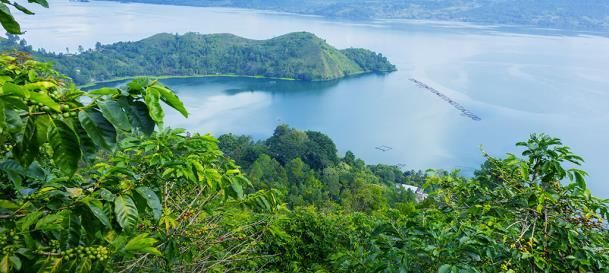
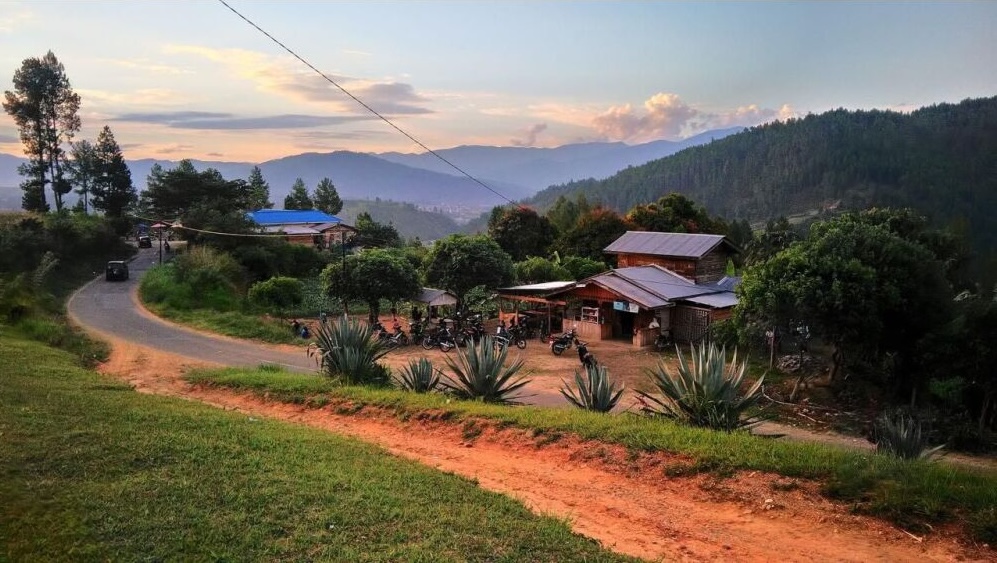
A distinctive coffee from the Lintong area of Sumatra.
In Sumatra, many coffee farms are small, typically ranging from 1 to 5 hectares. Farmers often grow several varieties together as a way to reduce the risk of coffee leaf rust and other diseases. Over many years, natural cross-pollination has also taken place, giving rise to complex and unique characteristics that reflect the local environment.
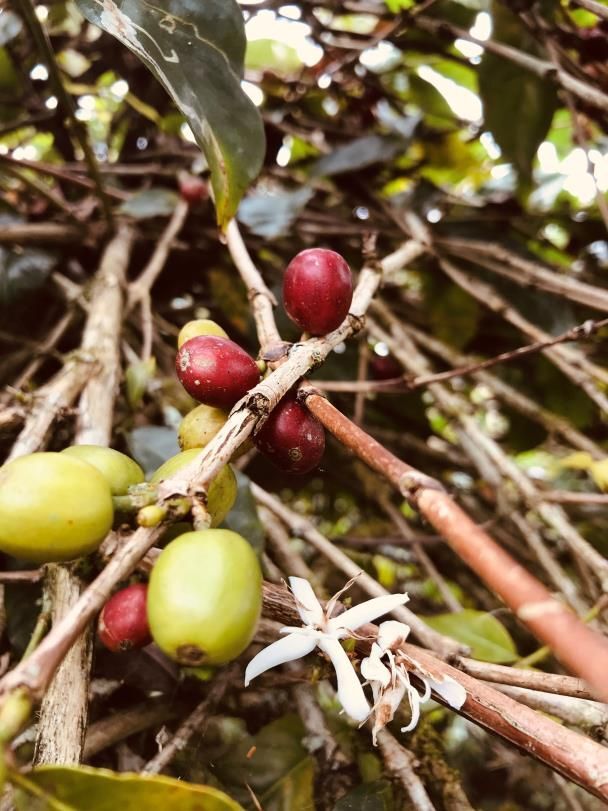
The coffee cherries are carefully hand-picked at full ripeness. After the pulp is removed, the beans undergo 10 to 12 hours of dry fermentation, followed by the removal of floaters and three rounds of washing. To ensure consistent quality, the beans are then hand-sorted three times in a process known as “triple picking.”
One of the defining features of Sumatran coffee is its distinctive processing method known as Giling Basah, or wet hulling.
Developed in response to Sumatra’s humid climate and frequent rainfall, this method involves partially drying the parchment coffee, removing the parchment while the beans still contain a relatively high level of moisture, and then drying the beans again. Because the beans are hulled while still moist, careful timing and skill are essential.
This unique process helps create the deep body and vibrant acidity that are characteristic of Sumatran coffee.
A combination of local climate, diverse coffee varieties, and a distinctive processing tradition comes together to create a cup that is unmistakably Sumatran.